Product for Research
It is not research that should be purposeful, but its results. In other words, let me play, then we will see.
– Bruno Munari
How to design (multiples) … Multiples are designed with the methods of research. Unlike the artist, the designer does not make a wonderful sketch and later find some reproduction technique. He experiments on a phenomenon which is optical, physical, geometrical, typological, mechanical … He refines the elements of communication, and studies the best material with which to produce the object for the maximum level of visual communication and the minimum level of cost. He finds the mechanical technique which best suits his purposes, and in the end a prototype is born — not a unique artistic creation, but a model for the creation of a series. Reproductions of artwork are always inferior to the original, but when designing a model for mass production, the prototype is always inferior to the final products.
– Bruno Munari, Codice Ovvio
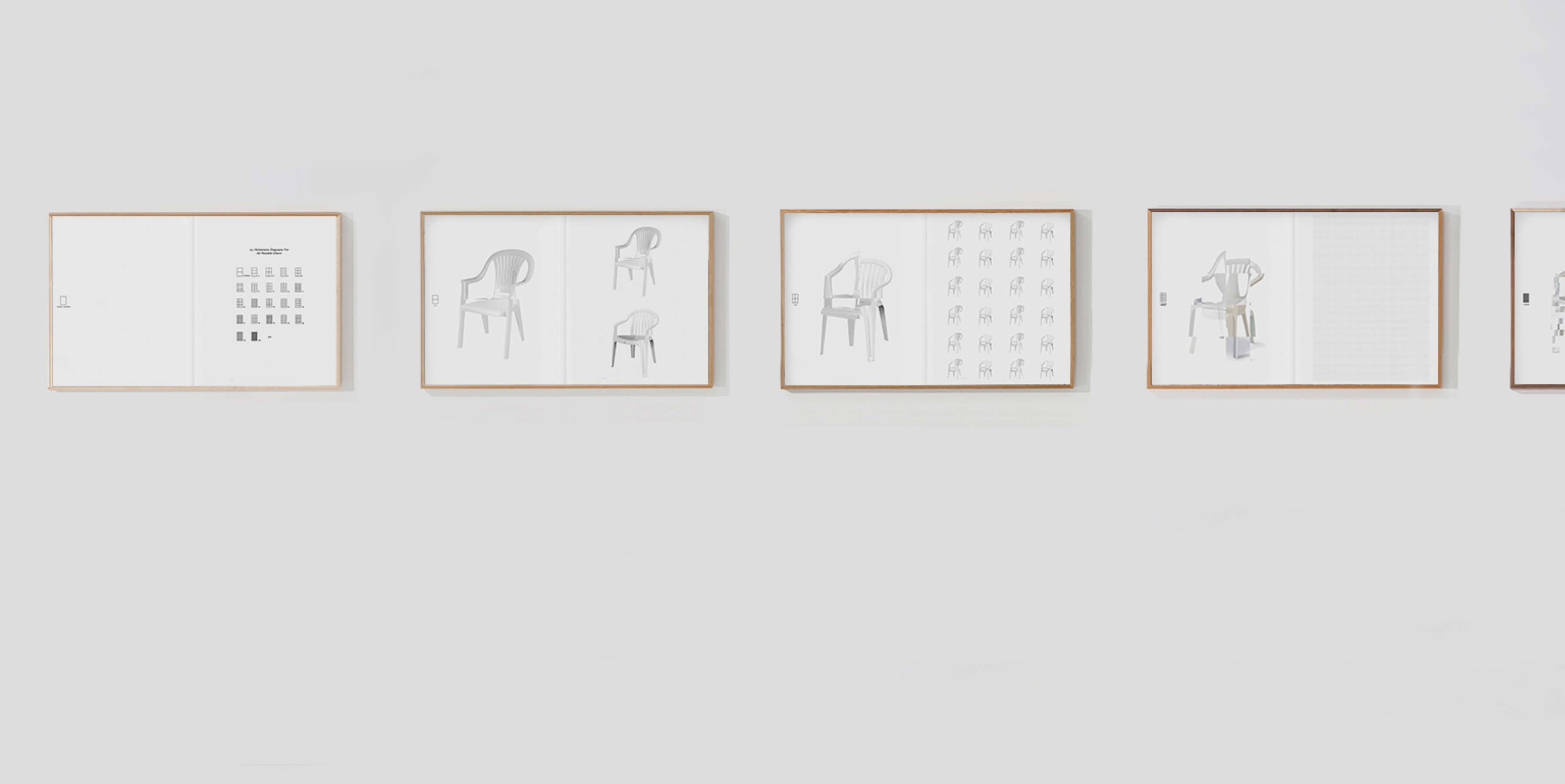
"All Possible Chairs", by Minkyoung Kim, 2014
Design processes inherently involve research, and as Munari cites, designed objects (I would argue digital and physical) require special knowledge due to their mass production (and benefit from mass production when compared to art objects).
From Designer as Author, to Critical Design, to Speculative Design, the designer as a "researcher" has been at the core of Graphic Design discourse since the 1990s. In each of these movements, designers are recognized for their critical and authorial abilities. This project will examine this trend through the lens of products.
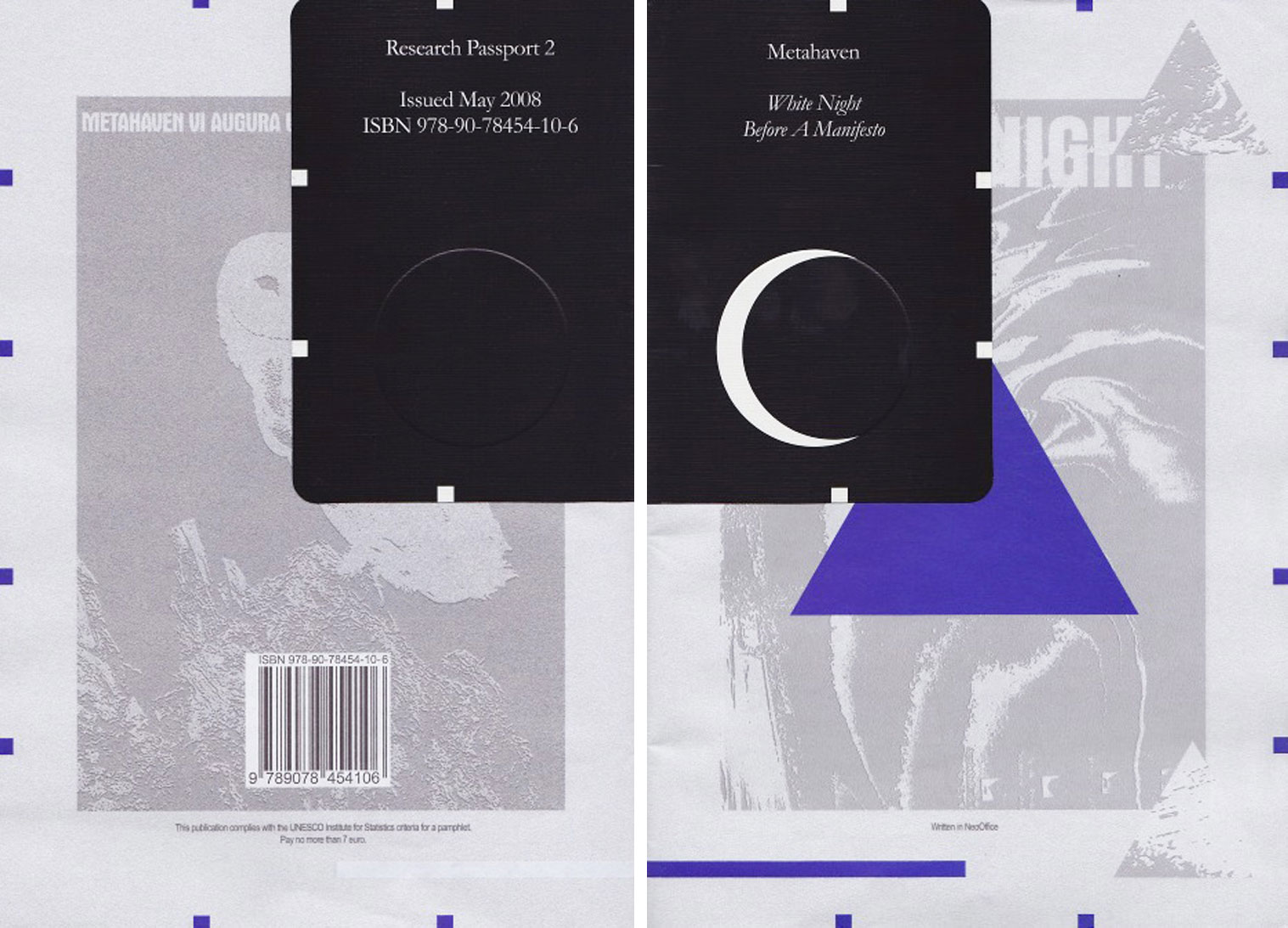
"White Night Before a Manifesto". by Metahaven
In this project you will consider the inherent research involved in the design-making and production processes, and use the framework of mass production as a catalyst for your own research.
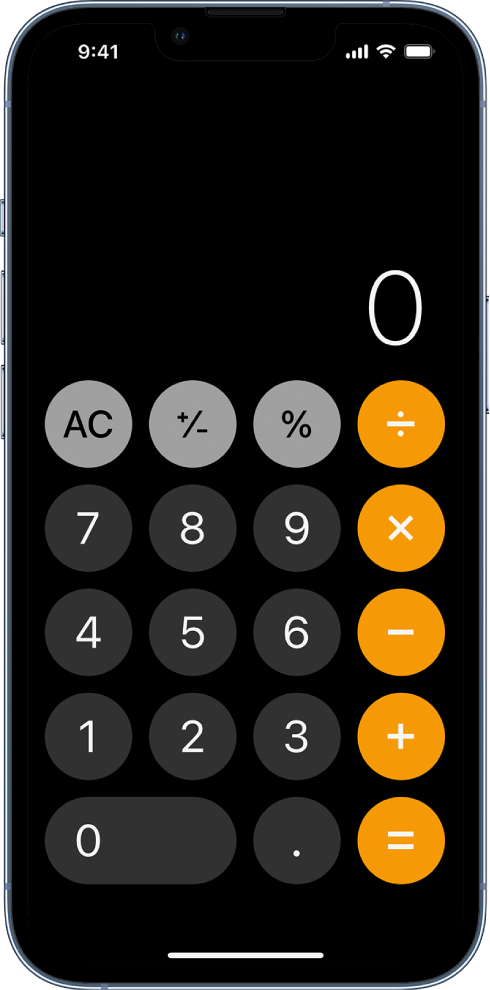
Apple Calculator App, designer unknown, based on the 1977 Braun ET44 and ET66 calculators
Your product can be either an outcome of research, or help aid you in conducting research (or better yet both), but it must be guided by your personal interest and you will need to define its subject matter.
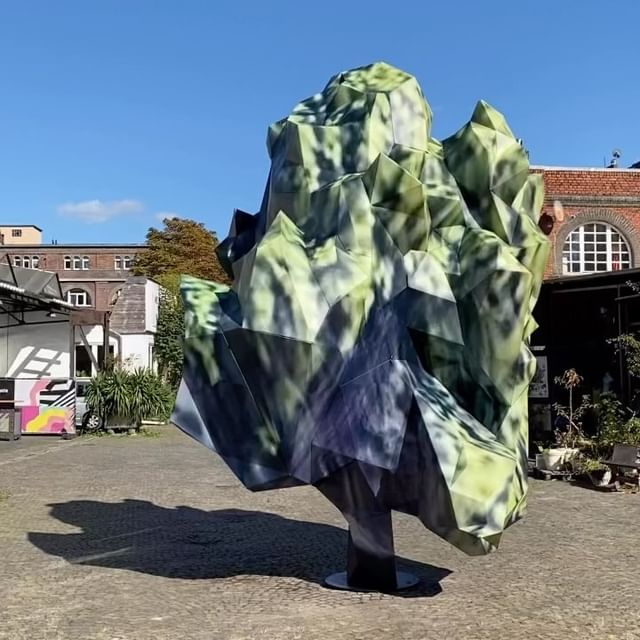
"Google Tree", by Certain Measures, Clement Valla, and Typico GmbH, 2022
The form and approach for your project is open-ended, but some potential strategies could include:
- Archiving – collecting, preserving, and representing research on a topic
- Experimentation – based on a hypothesis use graphic methods test your idea, for instance testing the limits of a graphic production tool
- Recombination – combining multiple reference points to find and highlight the common and opposing ideas embedded within them
- Revival – research the history of a unknown, forgotten, or technically unfeasible design, and revive it
- Speculation – imagining a potential future, based on rigorous research, and creating a design artifact in response
- Translation – translate an object from one media to another, researching and distilling the unique characteristics of the original and recontextualized version
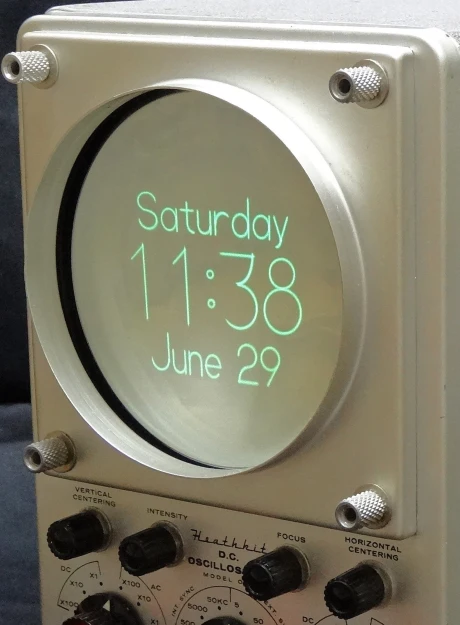
Oscilloscope Clock Using Hershey Fonts
So far in the class, we have focused on the neccesity of leisure and removing products from a strictly commercial and profit-driven exchange model. For this project you will be challenged to expand your inquiry into the potential of commodities that create knowledge, and developing a research method that connects directly to graphic production.
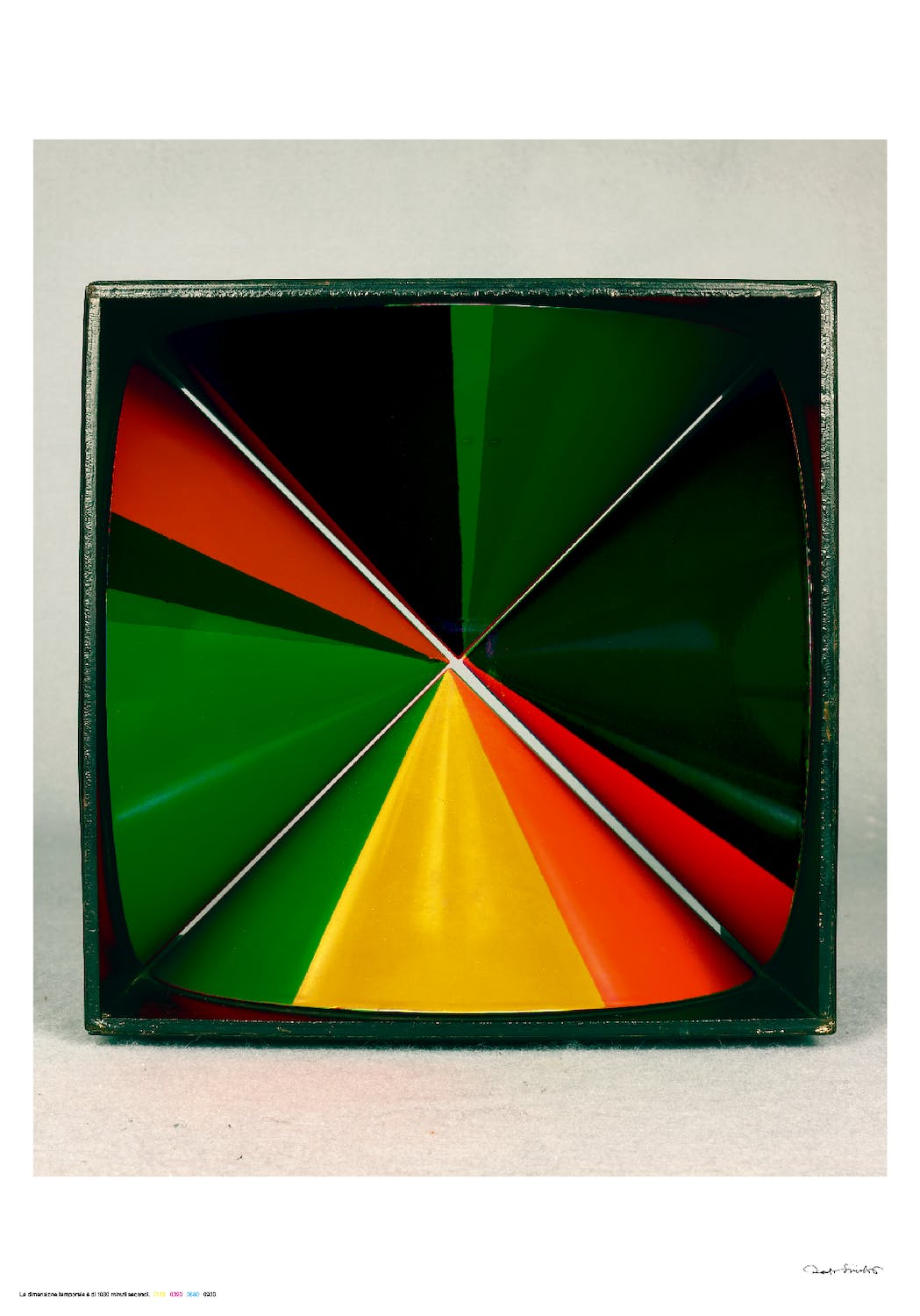
Stampa Programmata, by David Reinfurt, 2017
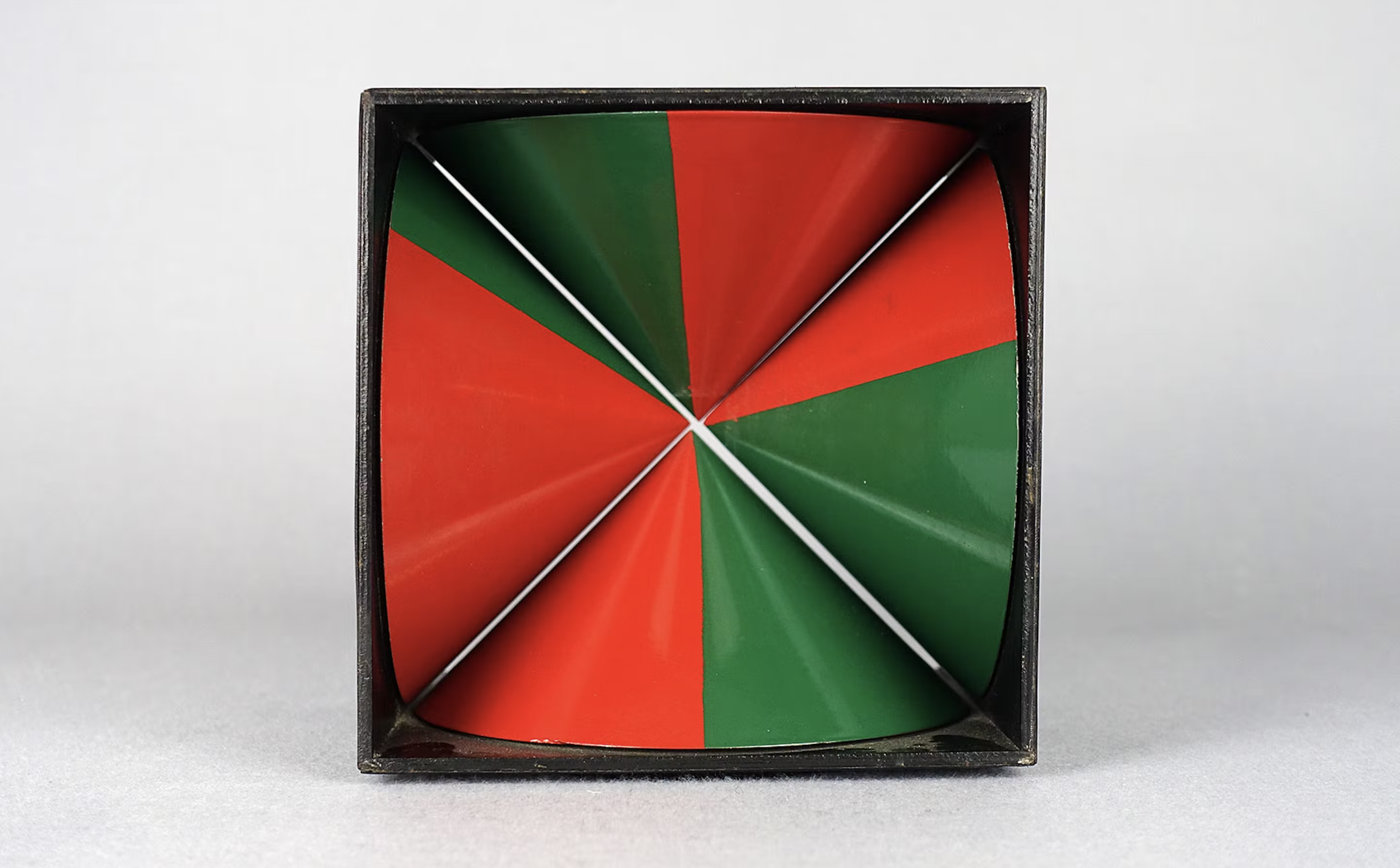
"Tetracono" by Bruno Munari, 1965
Due December 1 (6 weeks)
Topics: Research, Mass Production, Knowledge Production, Methodologies
Learning Outcomes
- Explore how research is inherent in the mass production process (digital and physical)
- Consider how a product can express, enable, and lead to knowledge production
- Refine your methodologies for research and manufacturing
- Make research accessible via a graphic artifact
- Unite your personal interests with a commodity
Requirements
- A mass producible product in a set of multiples (2 copies min.)
Project Kickoff: Thurs October 20
Step 1: Due Thurs October 27
Select an anonymous object and create a 10 minute presentation about its origins and current context. Your object can range from a unique historical artifact, to a ubiquitous and unassuming facet of daily life.
Take time to consider what object you want to research, as this initial inquiry will be the jumping off point for your project.
Step 2: Thurs November 3
Based on your presentation, determine an area of research, and create an 8 page research dossier formatted as an A4 publication. At the end of your dossier, include proposals for 2 products linking it to one of the afforementioned research strategies (archiving, experimentation, recombination, revival, and speculation).
Step 3: Due Thurs November 17
Select one of your proposals, and determine its production process through prototyping. Bring in a minimum of 2 prototypes for your project that invoke different production processes. For instance, if you want to make a font revival perhaps one prototype is a few digital letterforms and another is a rubber stamp.
Remember: "Reproductions of artwork are always inferior to the original, but when designing a model for mass production, the prototype is always inferior to the final products."
Step 4: Due Thurs December 1
Finalize your proposal and production method, and produce a minimum of 2 copies of your research product.
Schedule
Week 8
Project kickoff

Week 9
Step 1 Due: Share object presentation

Week 10
Step 2 Due: Share research dossier

Week 11
Workshop with Min Guhong Mfg.

Week 12
Step 3 Due: Review protoypes

Week 13
Group Meetings

Week 14
Step 4 Due / Final Crit- “...meet the Tetracono”: An Interview with David Reinfurt, an interview with David Reinfurt by Aryn Beitz
- White Night Before A Manifesto, by Metahaven
References
- Avant Garde Archive, by Mindy Seu
- Boot Boyz Biz Archive
- The Hershey Fonts with Frank Griesshammer, lecture at Letterform Archive
- Meeting the Tetracono, lecture by David Reinfurt
- Oscilloscope vector clock, by Trammell Hudson
- One Time Keypad, by Kit Son Lee
- PDU, by Dries Wiewauters
- A Small Black Could Looking Substance, by Matthew Kneebone (solo-exhibition review)
- TM RSI SGM 1960–90 Research Archive
- Teenage Engineering