Currently → Post Class Documentation
Please document and share your work with chris as a: pdf, images (jpeg, png, etc.), or video file and include a short written description of your work describing your project. Make sure to send chris documentation for:
- Modified Tool
- Product for Unproductivity
- Product for Research
- Exercise: Unproductive Flowchart
- Exercise: Production Precepts
If you don't have artifacts from the exercises let chris know.
Please zip your documentation and send to chris at chamamoto@snu.ac.kr via WeTransfer by December 23rd.
Please collect your assets/production files (images, gifs, pdfs, etc.) for the show and any photo documentation you may have and upload to Google Drive here: Convenience Store on Google Drive
Design Studio 22
Unproductive Products
Seoul National University
College of Fine Arts, Department of Design
Fall 2022
Sept 1 → Dec 14, 2022
Thurs 10:00am-1:50pm
Building 49, Room 115
Instructor: Chris Hamamoto
Office hours: Tues 10am – 2pm, building 49 room 207 and by appointment
Contact: chamamoto@snu.ac.kr
TA: Kyungtae Lee
Contact: kyungtaelee@snu.ac.kr
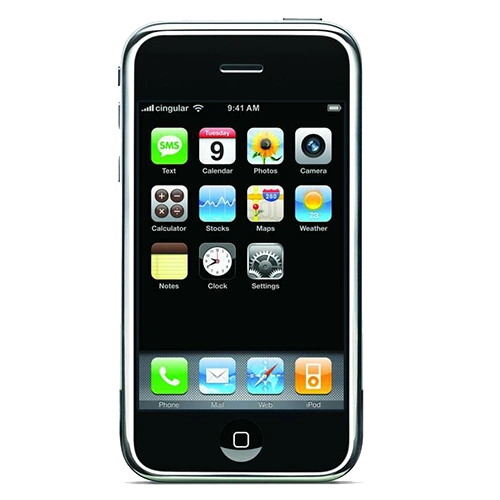
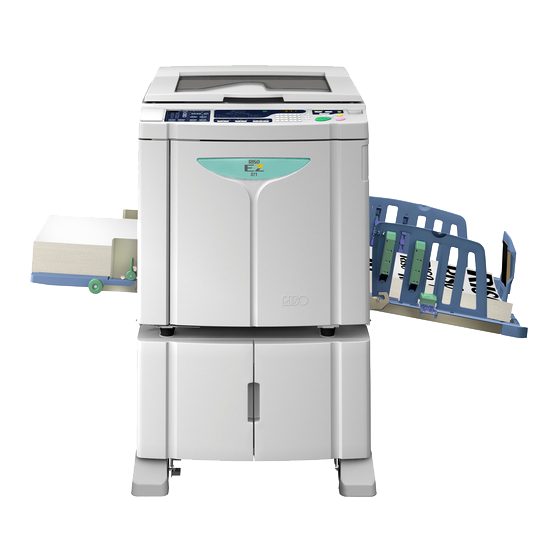

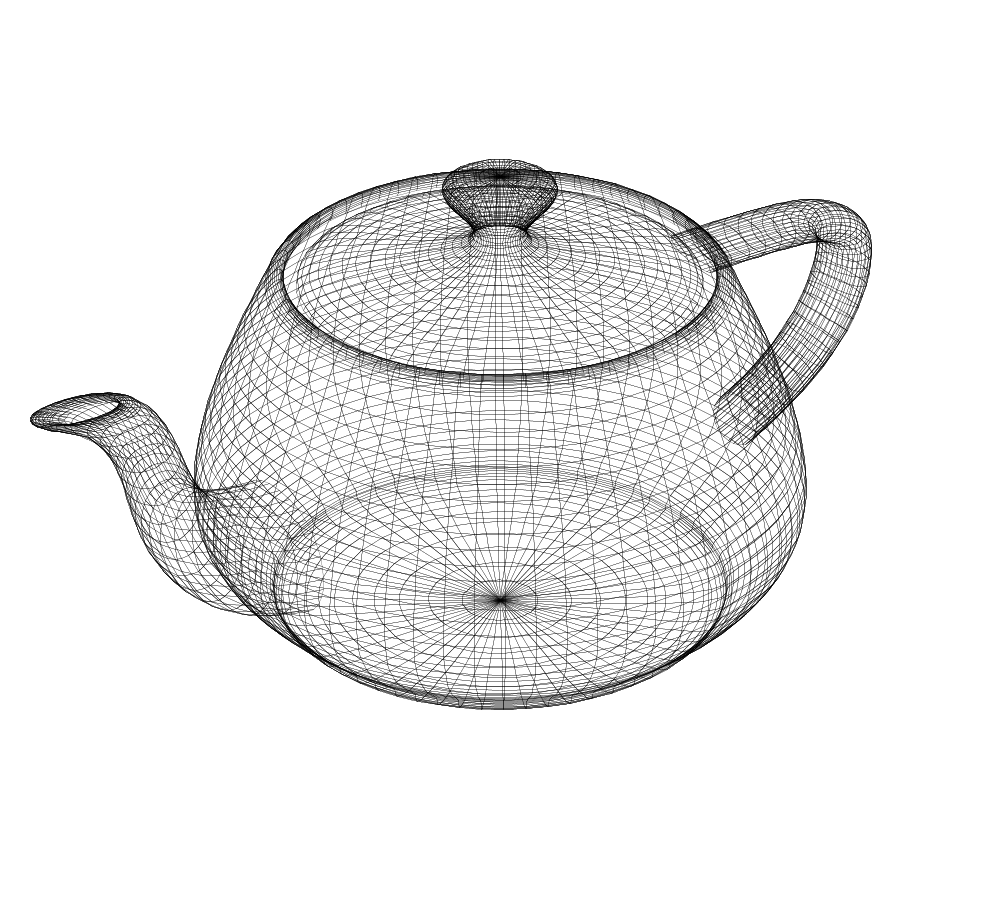

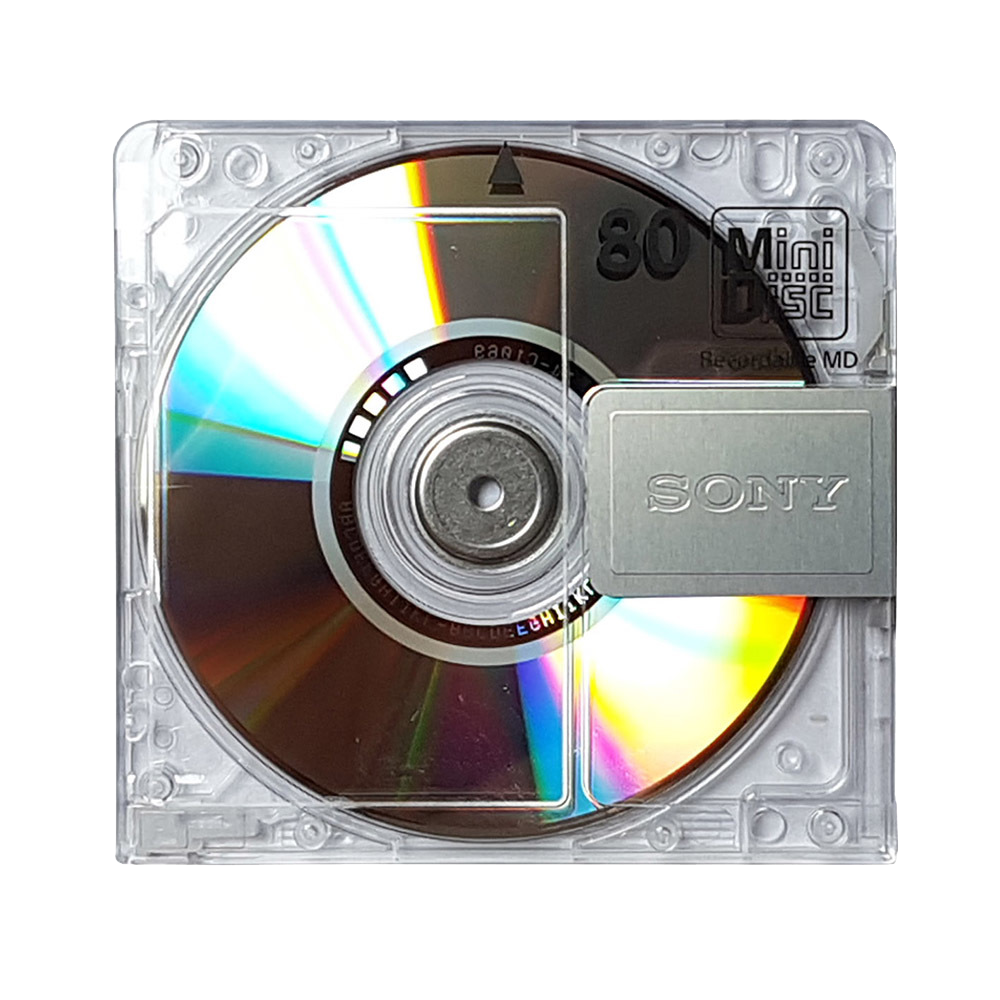
Products have a unique presence in our lives. From practical necessities and coveted luxury items, their framing as a consumer good situates them explicitly in a transactional space. Graphic design too has a special relationship with products, as it’s often used to create advertisements for their promotion, to add surface value1 to physical and digital goods, and graphic designers are increasingly becoming the architects and manufacturers of products in their entirety.
In particular, the adage “form follows function” has been adopted by a new generation of digital product designers who strive to make designs that are hyper-functional, addictive, and productive. At the same time however, the design of these apps can often be uninspiring, leaving observers wondering “why are the aesthetics of something so pervasive, the design of which is deeply sophisticated in other respects, often underwhelming?”2
While there are myriad reasons for the mundanity of product design, the business model and history of computer software design can be implicated. From its roots in Silicon Valley, which made “a space for engineers free of economic pressures they might face in a standard corporate context—a place for straight cis white men in business ties to sit on bean bag chairs and embrace consequential ideas without fear of retribution”3 as American Artists states, to the business model of startups today which prioritizes profit over the public good4 and rewards rapid growth, there is little room for deviation from “productive” “norms”.
This class will research what potential there is in graphic-driven product design when decoupled from productivity and usefulness. When we begin thinking about design and products as “useless machines”5 rather than productive tools. What do products look like that encourage formal experimentation, self-reflection, meaningful interpersonal communication, and logging off? What are the value systems embedded in our interfaces, and how do they perpetuate world views that may be sexist, racist, militaristic and extractivist? What sort of productive opportunities can be found in being adamantly unproductive?
- White Night Before A Manifesto, Metahaven
- By Design: The pros and cons of new digital interface design, Alice Rawsthorn
- Black Gooey Universe, American Artist
- Whistle-Blower Says Facebook ‘Chooses Profits Over Safety, Ryan Mac and Cecilia Kang
- The Machine as Seen at the End of the Mechanical Age
Learning Outcomes
- Reconsider the role of graphic design within product design
- Test the potential for industrial processes and ideas in the creation of research tools/methods
- Enable personal, graphic, expression through graphic product design
- Get experience circulating our ideas in a variety of contexts
- Linking personal research to a variety of formal and experimental outcomes
- Tags: Graphic Design, Product Design, Visual Communication, Speculative Design, Transdisciplinary
Requirements
Students should be comfortable using design software and producing graphic outcomes (these can range from digital outcomes like webpages or videos, to physical materials such as books, posters, textiles, etc.)
- Personal Laptop
- Phone, digital camera, scanner, screen capture etc.
- Access to printers and other means of production
Readings
- There will be routine readings with discussions taking place in class and occassionally online. All students will be required to pose one question and respond to another students question about each reading.
Class Activities
The following activities will take place in-person and online via a number of platforms:
- Reading discussion
- Topic lecture/discussion
- Project critique/discussion
- Group exercises
- A Weekend Workshop
- One-on-one meetings
- Group meetings
Grading
- 60% ... Projects (There will be 2 individual projects and a group project this semester: individual projects = 50%; group project = 10%)
- 10% ... Assignments (Exercises, readings, etc.)
- 10% ... Workshop (Weekend workshop)
- 20% ... Attendance + Participation/Attitude (Being present and active in class via discussion, and preparation)
Letter grades represent the following:
A = excellent;
B = good;
C = satisfactory;
D = unsatisfactory;
F = failure.
Grading Criteria
Individual project grades and final course grade takes into consideration:
- Participation (attendance, engagement in critique, pro-active involvement through the demonstration of discussion and inquiry)
- Process (exploration, iteration, research)
- Concept (thought, originality, creativity, and criticality)
- Design (does the work function as intended, does it communicate, is there clarity of information and intent)
- Presentation (quality of craft, attention to detail, professionalism)
Attendance
Students who are absent for over 1/3 of the class will receive a grade of 'F' or 'U' for the course. (Exceptions can be made when the cause of absence is deemed unavoidable by the course instructor.)
Plagiarism
Students are expected to generate their own work and ideas. Since, this class focuses on a range of ideas including appropriation, there can be some gray area about originality in this context. If you are concerned about the authorship of your work, please discuss with chris.
Submitting your work and Class Archive
As a final deliverable, please send a .zip file with documentation of your work over the semester and send to chris via wetransfer by Weds Dec 21.
Credits
This website runs on Kirby and was adapted from a site developed by Laurel Schwulst.