Exercise: Modified Tool
To begin thinking about unproductive products, we will first explore the potential for misuse and appropriation of an existing product for our own motives. To do this, we will test the potential to create graphic outcomes by altering or "mis-using" a commercial product.
In this short, two-week exercise, each student will select a product and experiment with its potential for graphic production. Week one will be composed of tests to select a tool and modification/process, and week two will be spent documenting the modification process and its outcomes in a small publication.
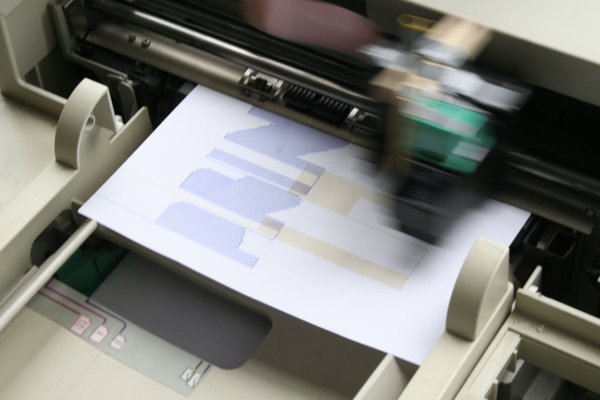
Penjet by Jaan Evart, Julian Hagen and Daniël Maarleveld
You can create a digital or physical modification, a procedural or material intervention, and/or a combination of all of the above. For instance, you could take a non-art making tool and convert it to become one (adding a pencil to your computer mouse for instance). Introduce a new procedure into a product's use that results in a formal outcome (opening your computer operating systems Finder windows in a particular order, or renaming wi-fi networks to create a concrete poem). Or take an existing art-making tool and mis-use it (hold a pen in place, and write by moving a piece of paper).
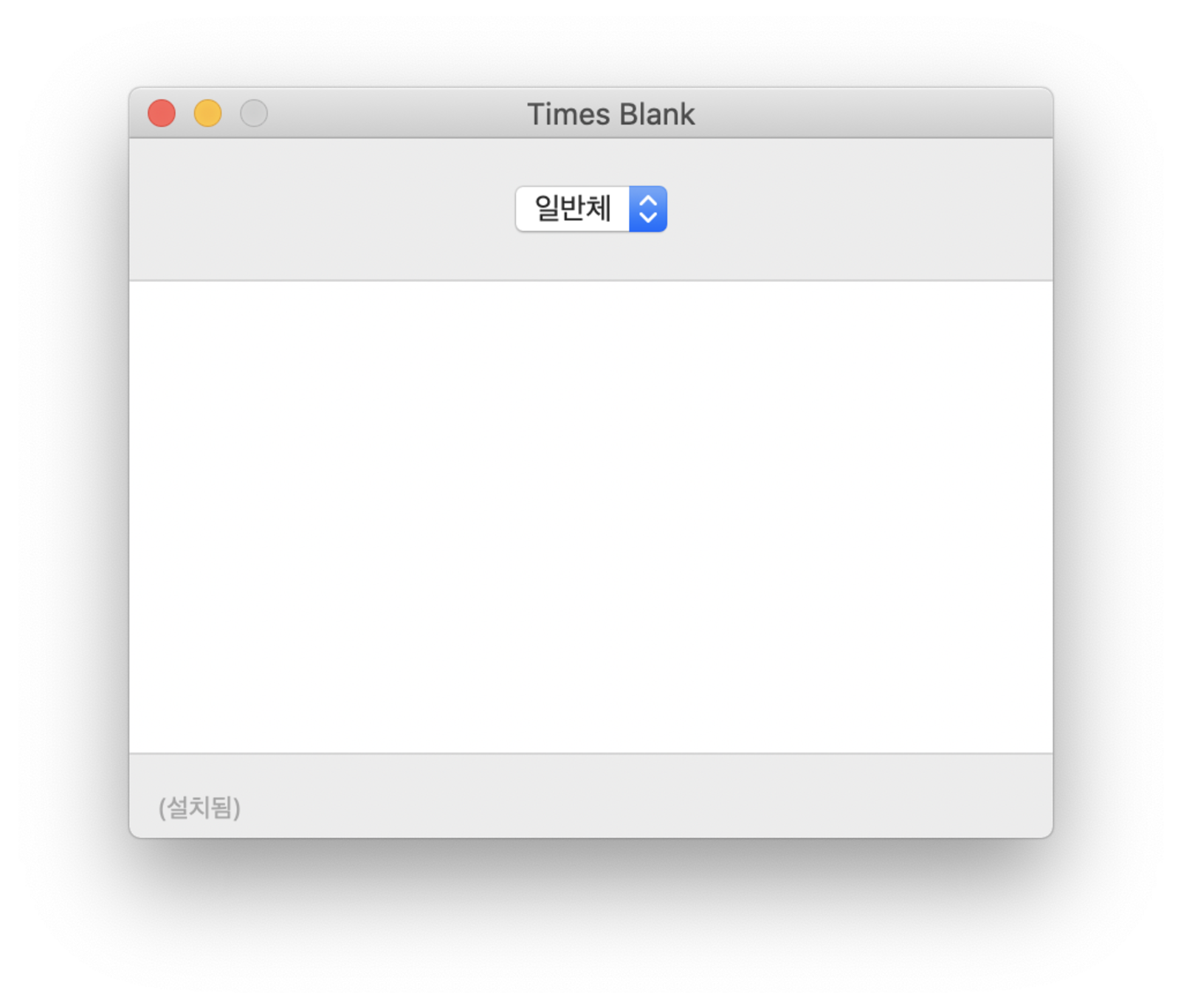
Times Blank, Min Guhong
In the process of your intervention, consider the formal outcome as well as the conceptual statement you are making. What does modifying tools for construction say compared to modifying tools for IT? Mis-using a beauty product compared to mis-using a cooking utensil? How do our products code and reinforce ideas, values, and behavior through their use and how can augment or comment upon them as designers?
As an in-class kickoff to this exercise, get in a group of 3 and using the contents of your desk, backpack, nearby convenience store or bookstore, laptop, smartphone, etc. and quickly modify a product(s) in the following ways to create graphic outcomes:
- Augment the product with an attachment
- Remove an element from the product to have it behave differently
- Misuse a product
Spend about 1 hour on this, then we'll discuss how the process was as a group (you can present some findings visually, or just share verbally).
Then, select a product to keep working with on your own, and bring experiments to class on 9.8.
Based on group feedback, choose your final modification method and create a showcase and documentation of your method and its graphic outcomes due on 9.15.
Deliverables
- Documentation of a "modified" product in an A4 printed publication.
Schedule
- 9/1: Kickoff exercise and brainstorm on products and form-making modifications
- 9/8: Small group meetings to review selected products and modification tests
- 9/15: Class review of final product modifications and documentation
References
- Abstract Browsing by Rafaël Rozendaal
- Content Aware Typography by Silvio Lorusso
- Courier Sans by James Goggin
- DVD Guy by Constant Dullaart
- Found Compositions by Na Kim
- mono by Na Kim
- Penjet by Jaan Evart, Julian Hagen and Daniël Maarleveld
- Pen Prints by Daniel Eatock
- The Revolving Internet by Constant Dullaart
- Rotational Growth by JK Keller
- Super Mario Clouds by Cory Arcangel
- times blank .otf by Min Guhong
- Times Dot by Laurel Schwulst
- Various works by Emilio Gomariz
- Various works by Herdimas Anggara
- We Are Human Beings! by Silvio Lorusso
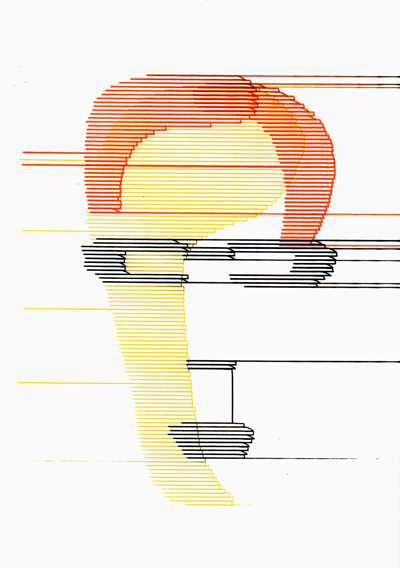
Portrait of Dries made with Penjet
Due Sep 15 (2 weeks)
Topics: Adaption, Form-making